Bilinga and iroko are two of the most dependable outdoor hardwoods from Central and West Africa. Both are naturally durable, both are used for decking, cladding, outdoor furniture and marine work, and both cost far less than teak. Yet they differ in colour, strength, weight, stability and the kinds of jobs they suit best. When buyers compare bilinga vs iroko, the right choice usually depends on whether the project is mainly structural and wet, or mainly decorative and close to people.
In this guide we compare the two on durability, colour, strength, stability, working, finishing, marine use, supply and price. At Global Timber Trade Hub we supply both from Cameroon, Gabon and the Republic of Congo, so we can share what we see in real orders as well as published data.
In short
- Both are very durable outdoors; bilinga has a top record in water and ground contact.
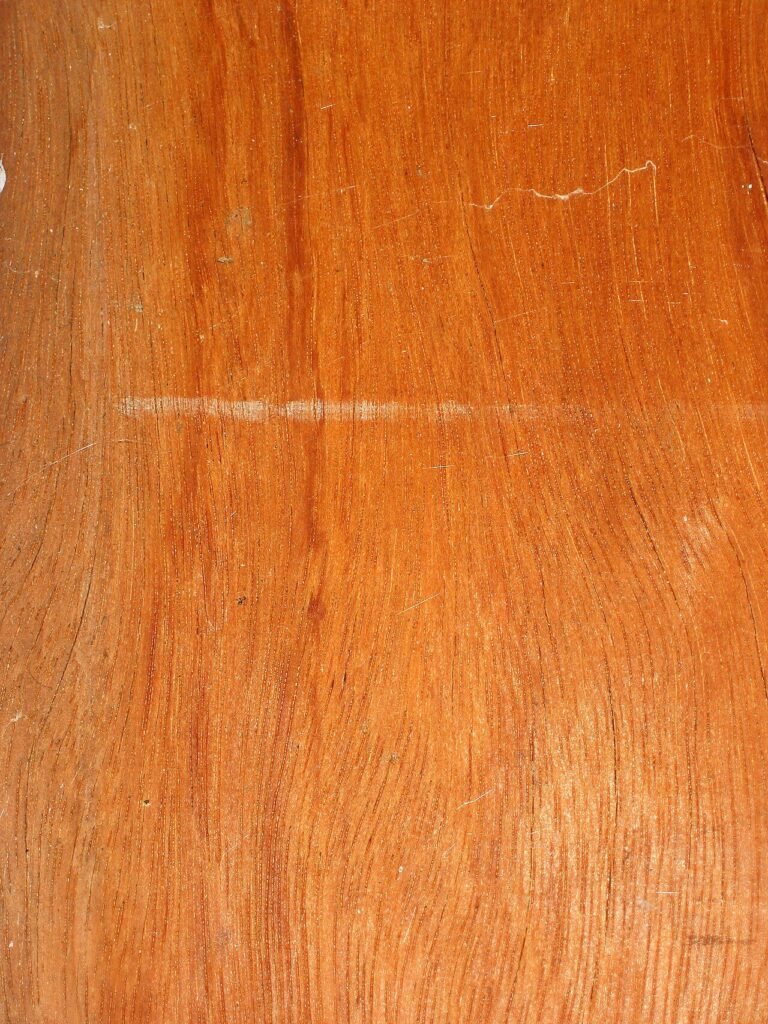
- Bilinga is bright golden-yellow; iroko is golden brown and darkens.
- Bilinga is a little denser and stronger; iroko is more stable and easier to finish.
- Bilinga suits piles, jetties, sleepers and heavy decks.
- Iroko suits furniture, joinery, cladding and boat parts.
- Bilinga usually costs less per cubic metre than iroko.
Quick comparison
| Property | Bilinga | Iroko |
|---|---|---|
| Botanical name | Nauclea diderrichii | Milicia excelsa, M. regia |
| Colour | Golden yellow to orange | Yellow-brown to golden brown |
| Density (dry) | about 750–800 kg/m³ | about 640–700 kg/m³ |
| Durability | Very durable | Durable to very durable |
| Stability | Moderate | Very good |
| Texture | Medium to coarse | Medium to coarse |
| Main uses | Marine piles, jetties, sleepers, decks | Furniture, joinery, cladding, decks |
| From (USD/m³, FOB) | $700 | $950 |
Figures are typical published values and indicative starting prices for sawn stock.
Durability
Bilinga is one of the most durable African timbers in contact with water and soil. It has a long history in harbour works, river defences, jetties, lock gates and railway sleepers, and it resists marine borers better than most species. Iroko is also very durable above ground and performs well in ground contact, which is why it is used for outdoor furniture, decks, cladding and boat building. For parts that are permanently wet or buried, bilinga is often the safer choice.
Colour and appearance
Bilinga has a bright golden-yellow to orange colour when fresh, which darkens slightly over time and weathers to grey outdoors. It gives a sunny, eye-catching look on decks and cladding. Iroko is yellow-brown at first and darkens quickly to a warm golden brown similar to teak, before weathering to silver-grey if left unoiled. For a teak-like look, iroko fits; for a bright, modern look, bilinga stands out.
Strength and density
Bilinga is denser and a little stronger and harder than iroko, which suits structural uses such as beams, posts, piles and heavy decks. Iroko is strong enough for most building and furniture uses and is lighter to handle. For heavy structures, bilinga gives extra margin; for furniture and joinery, iroko’s lower weight is an advantage.
Stability
Iroko is one of the most stable African hardwoods, moving little between wet and dry. That makes it ideal for outdoor furniture, doors and boat parts that face changing conditions. Bilinga is moderately stable and can develop surface checks as it dries and weathers, especially in large sections and strong sun. This does not affect strength, but it matters for touch surfaces and fine joinery.
Working properties
Both have interlocked grain that can tear out when planing. Bilinga is fairly easy to saw and machine for its density, but it can split when nailed, so pre-drill. Iroko machines well but may contain hard mineral deposits that damage cutters, so carbide tooling is wise. Both glue and finish reasonably well with preparation.
Finishing
Outdoors, both are usually left to weather or treated with a penetrating oil. Iroko takes oils and stains well and is easier to keep looking smart on furniture. Bilinga’s bright colour fades to grey without UV-protective oil. Indoors, iroko gives a finer finish for furniture and worktops.
Marine use
For piles, fenders, jetty decks and harbour works, bilinga is a proven choice with high resistance to decay and marine borers. Iroko is widely used in boat building for keels, frames, trim and deck parts, and in marine joinery. In short: bilinga for the structure in the water, iroko for the boat on it. See our best wood for marine construction and best wood for boat building guides.
Decking
Both make durable decks. Bilinga decks are bright and hard-wearing, good for public spaces, boardwalks and marinas. Iroko decks are warmer in colour and very stable, good for homes, hotels and pool areas. For barefoot areas, iroko’s stability and smoother surface give it the edge. See our best hardwood for decking and best wood for pool deck guides.
Cladding
For rainscreen cladding, stability matters most. Iroko is a long-established cladding timber that stays flat and weathers evenly. Bilinga cladding gives a striking golden facade but can check more, so narrow boards and good ventilation help. See hardwood cladding.
Outdoor furniture
Iroko is the better choice for garden and terrace furniture: stable, comfortable to touch and easy to finish. Bilinga can be used for heavy benches and public seating, where its durability and strength matter more than a fine finish. See our best wood for outdoor furniture guide.
Sleepers, posts and structures
Bilinga’s density and ground-contact durability make it a common choice for railway sleepers, fence posts, bridge parts and landscaping timbers. Iroko is used for pergolas and garden structures above ground. See hardwood railway sleepers and best wood for fence posts.
Typical sizes
- Decking: 21–45 mm thick, 120–145 mm wide, random lengths.
- Cladding: 18–25 mm thick, 70–145 mm wide.
- Beams and posts: 100 × 100 mm up to 300 × 300 mm.
- Sleepers: standard railway sizes such as 150 × 250 mm.
- Piles: square or round sections to project lengths.
Moisture content
Large structural sections of both species are usually supplied fresh sawn or air dried. Decking and cladding can be air dried or kiln dried. Furniture and joinery stock should be kiln dried to suit the destination climate. Tell us the end use and we will advise. See kiln dried vs air dried lumber.
Health and safety
Iroko dust is a known irritant and sensitiser for some people. Bilinga dust can also irritate. Use dust extraction, masks and skin protection when machining either species in quantity.
Supply and price
Both species are available in good volumes from Central Africa. Bilinga starts from about $700 per m³ FOB and iroko from about $950, for standard sawn stock. Kiln-dried, profiled and large sections cost more. See our iroko wood price guide and bilinga wood guide.
Legal sourcing
Neither bilinga nor iroko is CITES listed. EU buyers must meet due diligence and EU deforestation regulation requirements, and US buyers must comply with the Lacey Act. Ask for legal origin documents and certification where needed. See our EUDR timber compliance guide.
How they weather
Left outside without oil, both woods turn silver-grey within a year or two, but the path is different. Iroko darkens first to a deep golden brown, then greys evenly, often with a soft, silky surface. Bilinga keeps its bright yellow tone for a few months, then fades and greys, sometimes with small surface checks that open and close with the weather. On a deck or a facade seen from a distance, both look very similar once fully weathered. Up close, iroko usually looks smoother. If you want to keep the original colour, plan to oil either wood once or twice a year with a UV-protective deck or cladding oil.
Cost over the life of a project
Bilinga’s lower price per cubic metre makes it attractive for large public and marine works, where volume is high and the timber is often hidden or seen from a distance. For heavily used furniture, doors and decks around homes and hotels, iroko’s stability and finish quality can save maintenance and replacement over time, which often justifies its higher price. The best value depends on where the wood is used. On mixed projects, such as a marina with jetties and a clubhouse terrace, many buyers use bilinga for the jetty structure and iroko for the terrace and furniture.
Lead times
Standard sections of both species can usually be cut and loaded in 4–8 weeks. Kiln-dried and profiled stock, or long structural sections to a cutting list, may take longer. Our export process page explains each step from order to delivery.
Common mistakes
- Using bilinga for fine furniture: surface checks show on touch surfaces.
- Nailing bilinga without pre-drilling: it splits.
- Dull cutters on iroko: mineral deposits damage tools.
- Expecting colour to last unoiled: both weather to grey.
Our honest advice
Choose bilinga for structures that live in water or soil, such as piles, jetties, sleepers, posts and heavy public decks, where its durability and strength shine at a lower price. Choose iroko for furniture, joinery, cladding, boat parts and decks close to people, where its stability and finish matter more. Many marine and landscape projects use both.
Sources
Related guides
- Iroko vs teak
- Iroko vs sapele
- Tali vs azobe
- Best wood for bridges
- Heavy construction and marine timber
Frequently asked questions about bilinga vs iroko
Is bilinga more durable than iroko?
In water and ground contact, bilinga has the stronger record; above ground both are very durable.
Which is better for decking?
Both work; iroko is more stable and smoother, bilinga is brighter and cheaper.
Is bilinga the same as opepe?
Yes. Bilinga and opepe are trade names for Nauclea diderrichii.
Is bilinga cheaper than iroko?
Usually yes, starting around $700 per m³ FOB compared with about $950 for iroko.
Get a quote for bilinga or iroko
Send us your species, sizes and quantities through our quote form. We will reply with a firm price and lead time.