Walnut is one of the most loved furniture woods in the world, with its chocolate-brown colour and soft, flowing grain. Sapele is one of the most popular African hardwoods, with its warm red-brown tone and shimmering ribbon figure. Furniture makers, kitchen companies and joinery shops often weigh sapele vs walnut when they want a dark, rich wood, and the choice affects the look, the price and the way the wood behaves in the workshop.
In this guide we compare the two side by side: colour, grain, hardness, stability, working, finishing, sizes, supply and cost. At Global Timber Trade Hub we supply sapele from Central Africa, so we know it well; we have tried to be fair to walnut too. By the end you should know which wood suits your project and your budget.
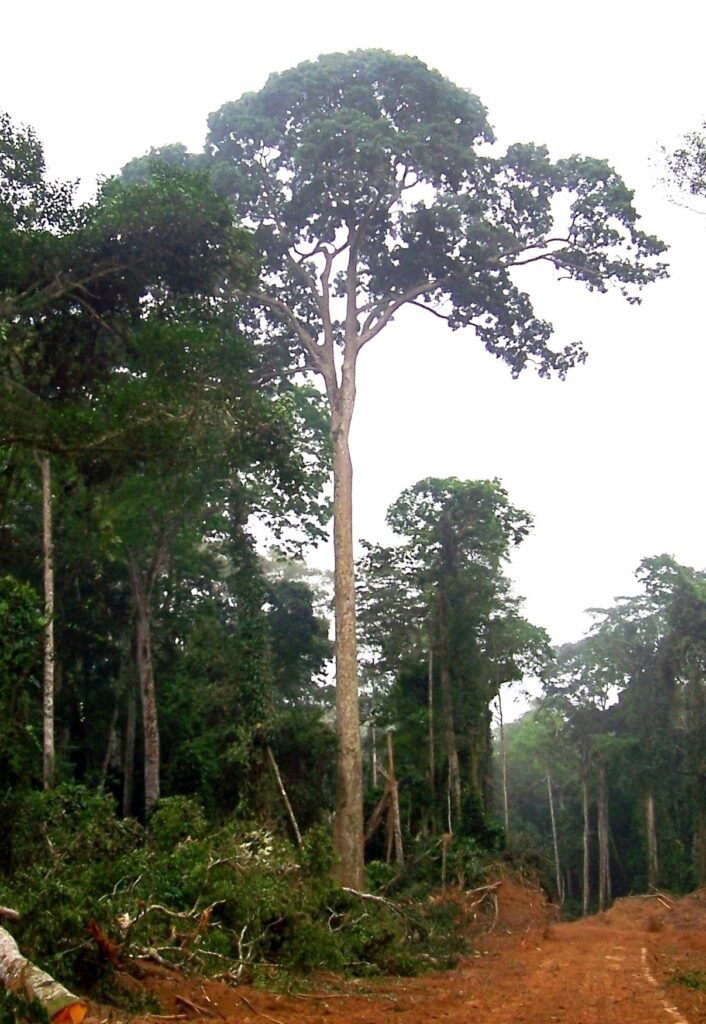
In short
- Walnut is chocolate brown with soft figure; sapele is red-brown with ribbon stripes.
- Sapele is harder than black walnut and wears well.
- Walnut is easier to hand-work; sapele’s interlocked grain needs sharp tools.
- Sapele is available in wider, longer, clear boards.
- Sapele usually costs much less per cubic metre than walnut.
- Both are stable when kiln dried and finish beautifully.
Quick comparison
| Property | Sapele | American black walnut |
|---|---|---|
| Botanical name | Entandrophragma cylindricum | Juglans nigra |
| Origin | West and Central Africa | Eastern North America |
| Colour | Red-brown, deepens with age | Chocolate brown, can lighten with age |
| Figure | Ribbon stripe on quarter-sawn | Straight to wavy, sometimes curly |
| Density (dry) | about 640–700 kg/m³ | about 610–640 kg/m³ |
| Janka hardness | about 6,300 N | about 4,500 N |
| Grain | Interlocked | Straight, sometimes irregular |
| Outdoor durability | Moderate | Moderate |
| Board sizes | Wide and long, clear | Narrower, more sapwood |
| Price | Lower | Higher |
Figures are typical values from published data and vary with growth and grading.
Colour and appearance
This is the biggest difference. Walnut is a cool to warm chocolate brown, sometimes with purple or grey tones, and it often lightens slightly towards a warm honey-brown over years of light exposure. Sapele is a reddish-brown that starts lighter and deepens with age to a rich mahogany colour. If your design calls for brown rather than red, walnut has the edge. If you want the warmth of mahogany, sapele is the natural choice.
Grain and figure
Quarter-sawn sapele shows a strong ribbon stripe, caused by its interlocked grain, which shimmers as light moves across it. Flat-sawn sapele has a more even look. Walnut usually has a straight or gently wavy grain, with cathedral patterns on flat-sawn boards, and occasionally curly or crotch figure that is prized for veneers. Walnut’s figure tends to look calm and organic; sapele’s looks more formal and lively.
Hardness and wear
Sapele is noticeably harder than black walnut. That makes it more resistant to dents on tables, desks, worktops, stair treads and floors. Walnut is soft enough to mark more easily under heavy use, although its colour hides small marks well. For high-traffic surfaces, sapele is the more practical choice.
Stability
Both woods are stable when properly kiln dried. Walnut has a reputation for good stability and is easy to keep flat. Sapele is stable when quarter-sawn, but flat-sawn boards can move a little more because of the interlocked grain. For wide panels and doors in sapele, ask for quarter-sawn stock or use veneered panels.
Working properties
Walnut is one of the nicest woods to work by hand: it cuts cleanly, carves well and planes smoothly with ordinary tools. Sapele machines well, but its interlocked grain can tear out when planing quarter-sawn boards. Use sharp cutters, a low cutting angle or a spiral cutter head, and take light final passes. Both glue, screw and sand well. Sapele dust can irritate some people, as can walnut dust, so use extraction.
Finishing
Walnut looks wonderful with a simple oil finish, which deepens its brown colour and brings out the grain. Sapele takes oil, lacquer and stain beautifully, and its ribbon figure glows under a clear finish. Neither wood needs staining, but sapele can be stained darker to imitate walnut or traditional mahogany. Both have medium pores, so grain filling helps if you want a mirror finish.
Board sizes and yield
Sapele trees are large, often over 1 m in diameter, so boards are wide, long and largely free of sapwood and knots. Walnut trees are smaller, and boards are often narrower and shorter, with pale sapwood on the edges. For large tables, long worktops, stair strings and big door panels, sapele gives better yield and fewer glue joints. See our African hardwood slabs guide for wide pieces.
Price and value
Walnut is one of the most expensive domestic hardwoods in North America and Europe, especially in wide, clear grades. Sapele usually costs much less per cubic metre for comparable grades, starting from about $850 per m³ FOB for kiln-dried sawn stock. Because sapele boards are wider and cleaner, the yield per cubic metre is often higher too, which lowers the cost per finished piece further. See our sapele wood price guide.
Durability
Neither wood is ideal for permanent outdoor exposure. Both are moderately durable. Sapele is used for exterior doors and windows with good finishes, and can perform reasonably well outside when maintained. For outdoor furniture and decking, choose more durable species such as iroko or afrormosia. See our best wood for outdoor furniture guide.
Best uses for sapele
- Kitchen cabinets, doors and worktops.
- Dining tables and office desks.
- Staircases, handrails and flooring.
- Wall panelling and interior joinery.
- Guitar backs, sides and necks.
- Exterior doors and windows with good finishes.
Best uses for walnut
- Fine furniture and mid-century style pieces.
- Carving and hand-tool work.
- Gun stocks and small decorative items.
- Veneer for high-end interiors.
- Pieces where a brown, not red, colour is essential.
Mixing sapele and walnut
Some designers use both woods together: walnut for small accents, drawer fronts or inlays, sapele for larger structural parts and surfaces. The contrast between brown walnut and red-brown sapele can look rich. If you want a uniform dark brown, though, mixing them will show the colour difference.
Other walnut alternatives
If you love the brown colour of walnut but want a lower price or harder wood, consider African alternatives. Dibetou, sometimes called African walnut, has a golden-brown colour with darker streaks. Wenge is much darker and harder. Read our wenge vs walnut guide for that comparison.
Sustainability and legality
Walnut is a temperate species grown in North American forests and plantations. Sapele is harvested in Central African forests under national forest laws, with some concessions FSC certified. Sapele is not CITES listed today, although the Entandrophragma genus has been flagged for future review, so serious buyers should keep an eye on it. Buyers in the EU must meet due diligence rules for both. Our sustainability page explains how we document origin.
Buying in volume
Furniture factories and joinery shops usually buy sapele by the container, in 26, 32, 52 and 65 mm thicknesses, FAS grade, kiln dried. Mixing sapele with other species such as sipo or iroko in one container is common. Browse our furniture and joinery hardwoods.
How they age
Colour change is often overlooked when choosing between the two. A new sapele table looks pinkish red-brown at first, then over one or two years in a bright room it deepens to a warm, darker red-brown, much like old mahogany furniture. A new walnut table starts dark chocolate and slowly mellows, losing some of its depth and moving towards a warmer, lighter brown. Neither change is a defect, but it matters if you are matching new pieces to old ones. If you are adding to an existing walnut kitchen, sapele will not match. If you are adding to old mahogany furniture, aged sapele will often blend in well.
Sapele vs walnut for kitchens
In kitchens, wood faces water, heat, knives and cleaning. Sapele’s extra hardness helps on worktops, doors and drawer fronts that get daily knocks. Walnut kitchens look stunning but show wear sooner on busy surfaces. Both need a good oil or lacquer finish near sinks. Many kitchen makers choose sapele for doors and frames and save walnut for an island top or a feature shelf. See our best wood for kitchen worktops guide.
Sapele vs walnut for guitars
Both woods are used by guitar makers. Sapele is common for backs, sides and necks on acoustic and electric guitars, valued for its stability and bright, focused tone. Walnut is used for backs and sides and for decorative tops, with a warm tone between mahogany and rosewood. See our African tonewood for guitars guide.
Lead times and supply
Kiln-dried sapele is one of the most widely available African hardwoods and can usually be prepared in 4–8 weeks before loading. Walnut supply depends on North American stocks and demand, and wide clear boards can be hard to find. For large, repeat orders, sapele is often easier to plan around. Our export process page explains each step.
Common mistakes
- Expecting sapele to look like walnut: it is red-brown, not chocolate brown.
- Planing quarter-sawn sapele with dull blades: tear-out is likely.
- Using walnut for heavy-wear surfaces: it dents more easily.
- Ignoring yield: narrow walnut boards waste more and need more joints.
Our honest advice
If your design needs the chocolate brown of walnut, and budget allows, walnut is a beautiful choice. For most furniture, joinery and kitchen projects, sapele gives a harder surface, wider and cleaner boards, and a warm, rich colour at a much lower cost. Try samples of both under your chosen finish before you decide.
Sources
Related guides
- Sapele vs mahogany
- Sapele vs sipo
- Kossipo vs sapele
- Best wood for a dining table
- Best wood for cabinets
Frequently asked questions about sapele vs walnut
Is sapele harder than walnut?
Yes. Sapele is noticeably harder than American black walnut.
Is sapele cheaper than walnut?
Usually yes, often much cheaper per cubic metre for similar grades.
Can sapele be stained to look like walnut?
It can be stained darker, but its red undertone and ribbon figure still show.
Which is better for a dining table?
Sapele is harder and comes in wider boards; walnut gives a brown colour many people love.
Get a quote for sapele
Send us your grade, thicknesses and volume through our quote form. We will reply with a firm price and lead time.