Moabi and sapele are both warm, red-brown African hardwoods, and at first glance they can look alike. But they behave quite differently. Moabi is denser, harder, more durable and finer in texture, and it is harvested in much smaller volumes. Sapele is one of the most widely traded African hardwoods, easy to find in large quantities and well known to joiners worldwide. When buyers compare moabi vs sapele, they are usually choosing between a premium specialist and a reliable all-rounder.
In this guide we compare the two on appearance, density, hardness, durability, stability, working, finishing, supply and price. At Global Timber Trade Hub we supply both from Central Africa, mainly Cameroon, Gabon and the Republic of Congo, so we can describe how each one behaves in real orders.
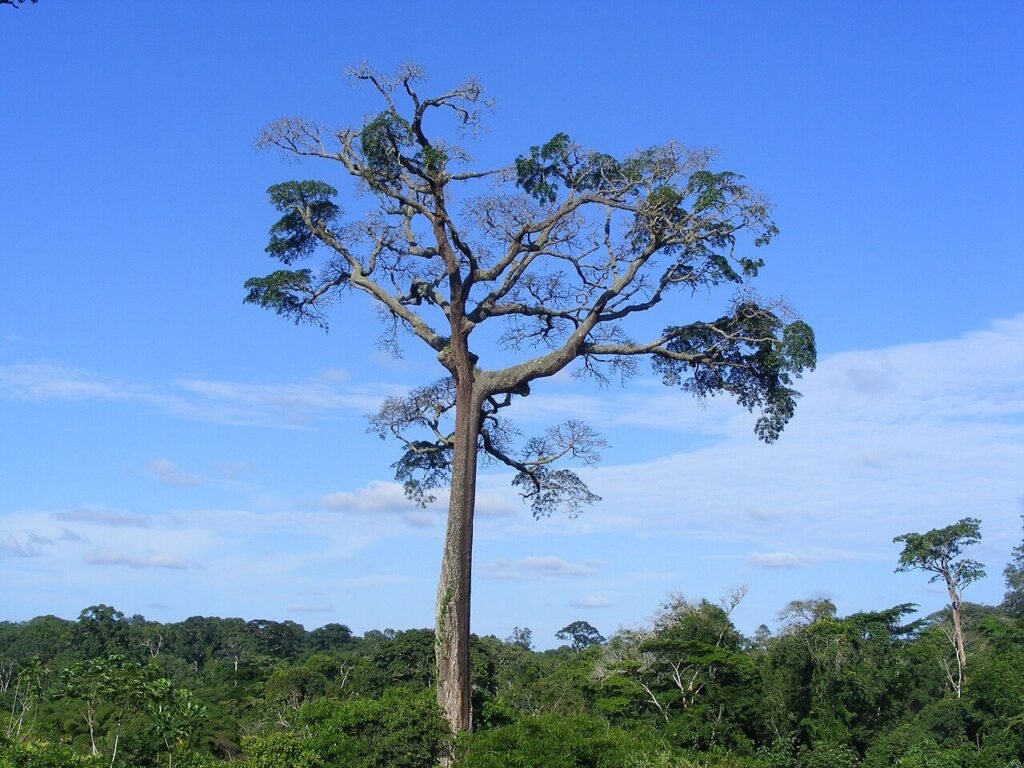
In short
- Moabi is denser, harder and more durable than sapele.
- Moabi has a fine, even texture; sapele shows a ribbon stripe.
- Sapele is easier to find in large volumes and costs less.
- Moabi suits premium floors, stair treads, outdoor joinery and furniture.
- Sapele suits furniture, kitchens, doors and windows.
- Neither is CITES listed, but moabi is closely regulated.
Quick comparison
| Property | Moabi | Sapele |
|---|---|---|
| Botanical name | Baillonella toxisperma | Entandrophragma cylindricum |
| Colour | Pinkish to deep red-brown | Pinkish to red-brown |
| Texture | Fine, even | Fine, interlocked |
| Figure | Subtle, sometimes mottled | Ribbon stripe on quarter-sawn |
| Density (dry) | about 800–850 kg/m³ | about 640–700 kg/m³ |
| Hardness | High | Medium-high |
| Outdoor durability | Durable | Moderate |
| Supply | Limited | Plentiful |
| From (USD/m³, FOB) | $1,100 | $850 |
Figures are typical published values and indicative starting prices for kiln-dried sawn stock.
Appearance
Moabi is pinkish red-brown when fresh and darkens to a deep, rich red-brown. Its fine, even texture gives a calm, uniform surface, sometimes with a subtle mottled or watered figure. Sapele has a similar colour range but a livelier look: quarter-sawn sapele shows a bold ribbon stripe that shimmers under light. If you want calm luxury, moabi fits; if you want visible figure, sapele does.
Density and hardness
Moabi is noticeably heavier and harder than sapele. That makes it more resistant to dents and wear on floors, stairs, worktops and heavy-use furniture. Sapele is still hard enough for floors and tables, but moabi gives an extra margin where wear is high, such as hotel floors, restaurant tables and public stairs.
Durability
Moabi heartwood is durable outdoors and resists decay and insects well, which allows it to be used for exterior joinery, sills, doors and even some decking and outdoor furniture. Sapele is moderately durable and best used outdoors only with a good finish and maintenance. For exterior parts that face heavy weather, moabi is the stronger choice of the two. See our best wood for exterior doors guide.
Stability
Both woods are stable when properly kiln dried. Moabi’s fine, even grain gives good stability across board widths. Sapele is very stable when quarter-sawn and reasonably stable when flat-sawn. For wide panels, both benefit from quarter-sawn stock or veneered construction.
Working properties
Sapele machines easily, though its interlocked grain can tear out on quarter-sawn faces. Moabi is harder and contains silica that blunts cutting edges, so carbide tooling is strongly recommended. Moabi finishes to a very smooth surface, though, because of its fine texture. Both glue and screw well with pre-drilling. Moabi dust can irritate the nose and throat, so use good extraction.
Finishing
Both woods take oil, lacquer and stain well. Moabi’s fine texture gives a smooth, almost silky finish with little or no grain filling. Sapele’s ribbon figure looks best under a clear finish that shows its shimmer. For outdoor joinery, use a quality microporous exterior finish on both.
Supply and availability
Sapele is one of the most abundant commercial African hardwoods, and large volumes are available year-round. Moabi trees are large but scattered, slow-growing and valued by local communities for their seeds, which produce an edible oil. Harvesting is regulated closely in Cameroon and Gabon, and volumes are limited. Moabi is listed as Vulnerable by the IUCN. For large, repeat orders, sapele is easier to plan; moabi suits premium projects with flexible timing.
Price
Moabi starts from about $1,100 per m³ FOB, sapele from about $850, for kiln-dried sawn stock. The gap reflects moabi’s higher density, durability and lower supply. See our sapele wood price guide and moabi wood guide.
Best uses for moabi
- Premium flooring and stair treads.
- Luxury furniture and table tops.
- Exterior doors, windows and sills.
- Hotel, restaurant and office interiors.
- Turning, handles and fine joinery.
Best uses for sapele
- Furniture, kitchens and cabinets.
- Painted and stained windows and doors.
- Wall panelling and interior joinery.
- Guitar backs, sides and necks.
- Volume production of joinery parts.
Moabi vs sapele for flooring
For floors in busy spaces, moabi’s hardness and fine texture give a hard-wearing, elegant surface. Sapele floors are also good, with a lively stripe, at a lower price. In homes, either works well; in hotels and shops, moabi gives extra wear resistance. See our tropical hardwood flooring guide.
Moabi vs sapele for stairs
Stair treads take more wear than almost any other part of a home. Moabi is an excellent tread wood, while sapele is a strong value option for treads, strings and handrails. See best wood for stairs.
Moabi vs sapele for furniture
Both make beautiful tables, desks and cabinets. Moabi gives a quieter, more uniform luxury look and better resistance to dents. Sapele offers figure, easier working and lower cost, which suits volume production. See our best wood for a dining table guide.
Moabi vs sapele for exterior joinery
For doors, windows and sills that face strong weather, moabi’s durability is a real advantage. Sapele works well too with a good finish, and is common in painted windows. Some joinery shops use moabi for sills and bottom rails and sapele for the rest. See best wood for window frames.
Legal and sustainable sourcing
Neither moabi nor sapele is CITES listed at the time of writing, although the sapele genus has been flagged for future review. Moabi is regulated closely in producing countries. EU buyers must meet due diligence and EU deforestation regulation requirements, and US buyers must comply with the Lacey Act. Ask for legal origin documents and, where available, FSC certification. See our sustainability page and FSC certified tropical timber guide.
Buying moabi and sapele together
Many buyers order sapele as their main species and add moabi for premium lines, stair treads or exterior parts. Mixing both in one container fills the load and spreads freight. Browse our furniture and joinery hardwoods.
Board sizes
Both species grow into large trees, so wide and long boards are possible. Sapele is routinely supplied in 26, 32, 52, 65 and 80 mm thicknesses, random widths from about 150 mm and lengths up to 5 m or more. Moabi is available in similar thicknesses, but parcels are smaller and specific sizes may need more time to cut. For flooring and stair treads, we can supply both as sawn boards or as blanks ready for machining. Because moabi is heavier, a container reaches its weight limit with less volume than a container of sapele, which slightly raises freight per cubic metre.
Colour consistency
Sapele parcels can vary from pinkish to deeper red-brown, and some boards show more stripe than others. Moabi is usually more uniform in colour and figure within a parcel, which helps on large floors and panelled rooms. With either species, sort boards by colour before cutting and order the whole project from one parcel to keep a consistent look.
Moisture content
For interior use, order both species kiln dried to about 8–10%. For exterior joinery, 12–16% is common, depending on the climate at the destination. Moabi’s higher density means it dries more slowly, so allow time in the schedule for proper kilning. See kiln dried vs air dried lumber.
Lead times
Kiln-dried sapele is usually ready to load in 4–8 weeks. Moabi depends on current stock and may take longer for specific sizes, so share your cutting list early. Our export process page explains each step.
Health and safety
Dust from both species can irritate the eyes, nose and throat, and moabi has a stronger reputation for this. Use dust extraction at every machine, wear a well-fitting mask when sanding, and keep the workshop clean. Moabi’s silica content also creates fine abrasive dust, which is another reason to keep extraction running and tooling sharp. Workers handling large volumes every day should take dust control seriously, as with any tropical hardwood.
Ordering tips
Tell us the grade, thicknesses, widths, moisture content and destination port when you ask for a quote. If timing is flexible, say so: it helps us match moabi parcels to your needs.
Common mistakes
- Using steel cutters on moabi: silica blunts them quickly.
- Expecting large moabi volumes at short notice: supply is limited.
- Using sapele for unprotected exterior parts: choose moabi or iroko.
- Mixing parcels: colour can vary between batches of both species.
Our honest advice
Choose moabi when you need a premium, hard, durable red-brown wood for floors, stairs, luxury furniture or exterior joinery, and you can plan around limited supply. Choose sapele for most furniture, kitchens, panelling and painted joinery, where its availability, figure and price make it the sensible choice. Many buyers use both: sapele for volume, moabi for the pieces that need to last longest.
Sources
Related guides
Frequently asked questions about moabi vs sapele
Is moabi harder than sapele?
Yes. Moabi is denser and harder, and more resistant to dents.
Is moabi more durable outdoors?
Yes. Moabi is durable outdoors; sapele is moderately durable.
Why is moabi more expensive?
Higher density and durability, plus limited, closely regulated supply.
Can I use moabi instead of sapele for furniture?
Yes. It gives a calmer, harder surface, though it is harder on tools.
Get a quote for moabi or sapele
Send us your species, grade, thicknesses and volume through our quote form. We will reply with a firm price and lead time.