Afrormosia is often called African teak, and for good reason. It has a golden-brown colour, a fine, even texture, excellent stability and very good durability outdoors, all at a price well below plantation or old-growth teak. Boat builders, joiners, furniture makers and flooring companies use it where they want a teak-like result. Because it is a controlled species with limited supply, buyers want to understand the afrormosia wood price and what affects it before they order.
In this guide we explain typical FOB prices per cubic metre, the factors that move the price up or down, the role of CITES permits, how to estimate landed cost and how afrormosia compares with teak and other alternatives. Prices are indicative starting points from our own quotes at Global Timber Trade Hub.
In short
- Kiln-dried sawn afrormosia starts from about $1,500 per m³ FOB.
- Wide, long FAS boards and thick stock cost more.
- Afrormosia has been on CITES Appendix II since 1992, so every export needs a permit.
- It usually costs well below teak while offering similar stability and durability.
- Freight, duties and local costs can add 15–30% to the FOB price.
- Plan orders early, as supply is limited and permits take time.
Typical afrormosia prices
| Product | Typical spec | Indicative price (USD, FOB) |
|---|---|---|
| Sawn boards, KD | FAS, 27–52 mm, random widths and lengths | from $1,500 per m³ |
| Wide and long boards | FAS, 200 mm+ wide, 3 m+ long | from about $1,750 per m³ |
| Thick stock | 65–100 mm for sills, treads and frames | from about $1,700 per m³ |
| Decking and boat deck strips | Profiled, KD | from about $1,800 per m³ |
| Shorts and narrow boards | Lower grade, short lengths | below standard board price |
These are starting points. The final price depends on exact specification, volume, current stock and the route. See our full African hardwood prices list.
What is afrormosia?
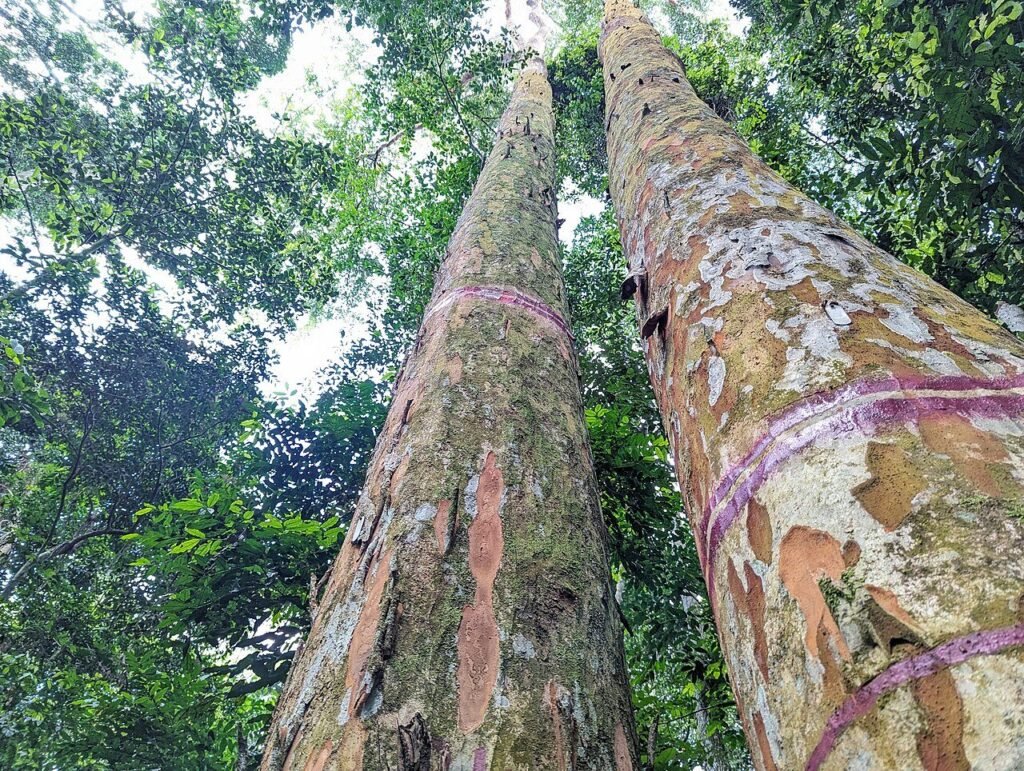
Afrormosia (Pericopsis elata), also known as assamela or kokrodua, grows in the forests of Central and West Africa, with most commercial supply today from the Democratic Republic of Congo, Cameroon and the Republic of Congo. It is a large tree with straight, cylindrical trunks that produce long, clear boards. The heartwood is yellow-brown when fresh and darkens to a rich golden brown, very close to teak. Read more in our afrormosia wood guide.
Why afrormosia costs what it does
Afrormosia is more expensive than common African species for several reasons. It has been listed on CITES Appendix II since 1992 because of concern over past overharvesting, so exports are controlled through permits and national quotas. Trees are scattered and harvested in limited numbers. The timber needs careful kiln drying to keep its stability. And demand is strong from marine, joinery and furniture buyers looking for a teak alternative. All of this keeps prices firm.
Grade and yield
FAS boards with long, clear cuttings cost the most. Lower grades are cheaper and suit shorter parts such as flooring strips, furniture components and small joinery. Before ordering, look at your cutting list: if most parts are under one metre long, lower grades or shorts can save a lot. Our hardwood lumber grades guide explains the options.
Size and drying
Standard thicknesses are cheaper than special sizes. Thick stock for window sills, door frames and stair treads costs more because it needs bigger, better logs and longer drying. Kiln-dried timber costs more than air-dried, but for joinery and interiors it is essential. For boat building, many yards prefer kiln-dried stock at 12–15% moisture content.
CITES permits
Every commercial export of afrormosia needs a CITES export permit from the producing country’s management authority. Permits are issued against legal origin documents and within quotas. Some importing countries also check permits on arrival, and the EU applies its own wildlife trade rules. Permits add a few weeks to the lead time and a small cost per cubic metre. Never buy afrormosia without a valid permit. Our CITES timber species guide explains the process.
Afrormosia vs teak on price
Teak prices vary widely depending on whether it is plantation teak or older, higher-quality teak, and on its origin. Good-quality teak usually costs considerably more than afrormosia per cubic metre. Afrormosia offers similar stability, durability and appearance, which is why it is used as a teak substitute for decking, boat trim, garden furniture and exterior joinery. It is slightly coarser in texture and lacks teak’s natural oily feel, so it is not identical, but for many buyers the price difference is decisive. See our afrormosia vs teak guide.
Cheaper alternatives
| Species | From (USD/m³, FOB) | When to choose it |
|---|---|---|
| Iroko | $950 | Teak-like look and durability on a tighter budget |
| Sapele | $850 | Indoor joinery and furniture |
| Doussie | $1,350 | Maximum stability for decks and doors |
| Afrormosia | $1,500 | Closest look and feel to teak |
Iroko is the most common lower-cost alternative. Read iroko vs teak for that comparison.
From FOB to landed cost
Our prices are FOB at a Central African port. To your FOB price, add sea freight, insurance, destination port charges, customs clearance, duties and taxes, and delivery to your yard. On many routes these add 15–30% to the FOB value. Afrormosia weighs around 700 kg per cubic metre when dry, so a container can usually carry a full volume before reaching its weight limit. See our timber shipping cost and FOB vs CIF timber guides.
Price per square metre for decking
For 21 × 145 mm deck boards, one cubic metre covers around 40–45 m² after gaps and waste. At around $1,800 per m³ FOB for profiled decking, the board cost is roughly $40–45 per m² FOB. Boat deck strips are usually thinner and narrower, so cost per square metre depends on the exact profile.
Best uses that justify the price
- Boat decks, trim, rails and interior joinery.
- Exterior doors, windows and sills.
- Premium garden furniture and benches.
- Flooring and stair treads in luxury interiors.
- Laboratory benches and wet-area joinery.
Supply and lead times
Afrormosia supply is limited by quotas and harvest controls, and availability changes through the year, especially with the rainy seasons in Central Africa. Kiln-dried boards can usually be ready to load in 8–12 weeks, including permit time. For large or regular needs, a supply plan agreed in advance gives the best chance of steady prices and stock.
Beware of substitutes
Because afrormosia is valuable, other yellow-brown species are sometimes sold under its name. Ask for the botanical name on all documents, check the CITES permit, and consider an independent inspection before shipment for first orders. See timber inspection before shipment.
How to get the best afrormosia price
- Accept random widths and lengths where possible.
- Use lower grades for short components.
- Combine afrormosia with other species in one container.
- Order early to avoid rush premiums.
- Agree an annual volume for steadier pricing.
How afrormosia behaves in use
Part of the value of afrormosia is how little trouble it causes once installed. It shrinks very little as it dries and moves little with changes in humidity, so joints in doors and windows stay tight and deck boards stay flat. It is naturally durable outdoors, resisting decay and most insects for many years without chemical treatment. It machines well with sharp tools, glues and finishes easily, and takes oil, varnish and stain evenly. On boats it is used for rails, cappings, cockpit soles and interior trim. In homes it is used for front doors, staircases, flooring and garden furniture. Because it ages to a warm golden brown, many owners simply oil it once or twice a year and let it develop a soft patina. Compared with cheaper woods that need more frequent repair or replacement, the extra cost per cubic metre is often recovered over the life of the project.
Working costs to consider
Afrormosia contains some silica and is moderately hard, so cutting tools dull faster than with softer woods. Carbide tooling is recommended for production work. It can react with iron in damp conditions, leaving dark stains, so use stainless steel or bronze fixings outdoors and on boats. Its fine dust can irritate some people, so good extraction is a must. None of this is unusual for a premium hardwood, but it is worth including tooling and fixings in your project budget alongside the timber price.
Payment terms
For first orders, many buyers use a letter of credit or a deposit with the balance against copy documents. Both protect your money while the timber is cut, dried and permitted. See our letter of credit for timber guide.
Ordering checklist
When you ask for a quote, tell us the grade, thicknesses, widths, lengths, moisture content, total volume, destination port and whether you want FOB or CIF pricing. Mention if the timber is for marine use, as boat builders often have stricter rules on defects and grain. With these details we can quote a firm price the first time and plan the CITES permit around your delivery date.
Common mistakes
- Ordering without CITES lead time: delays and extra costs follow.
- Comparing quotes on different specs: grade and drying change the price.
- Buying FAS for short parts: lower grades would do.
- Skipping inspection on first orders: substitution is a real risk.
Our honest advice
If you want the closest thing to teak from Africa, afrormosia is worth its price, especially for boats, exterior joinery and premium furniture. Plan for CITES permits, match grade to your cutting list, and compare landed costs rather than FOB prices alone. If budget is tight, use iroko for less visible parts and afrormosia where looks and stability matter most.
Sources
Related guides
- Best wood for boat building
- Doussie wood price
- Best wood for outdoor furniture
- Best wood for exterior doors
- Buy afrormosia wood
Frequently asked questions about afrormosia wood price
How much does afrormosia cost per cubic metre?
Kiln-dried sawn afrormosia starts from about $1,500 per m³ FOB.
Is afrormosia cheaper than teak?
Usually yes, often by a wide margin compared with good-quality teak.
Is afrormosia CITES listed?
Yes. It has been on CITES Appendix II since 1992, so exports need permits.
What is the cheapest teak alternative from Africa?
Iroko is the most common lower-cost alternative, starting from about $950 per m³ FOB.
Get an afrormosia price
Send us your specification, volume and destination through our quote form. We will reply with a firm price, permit timing and lead time.