
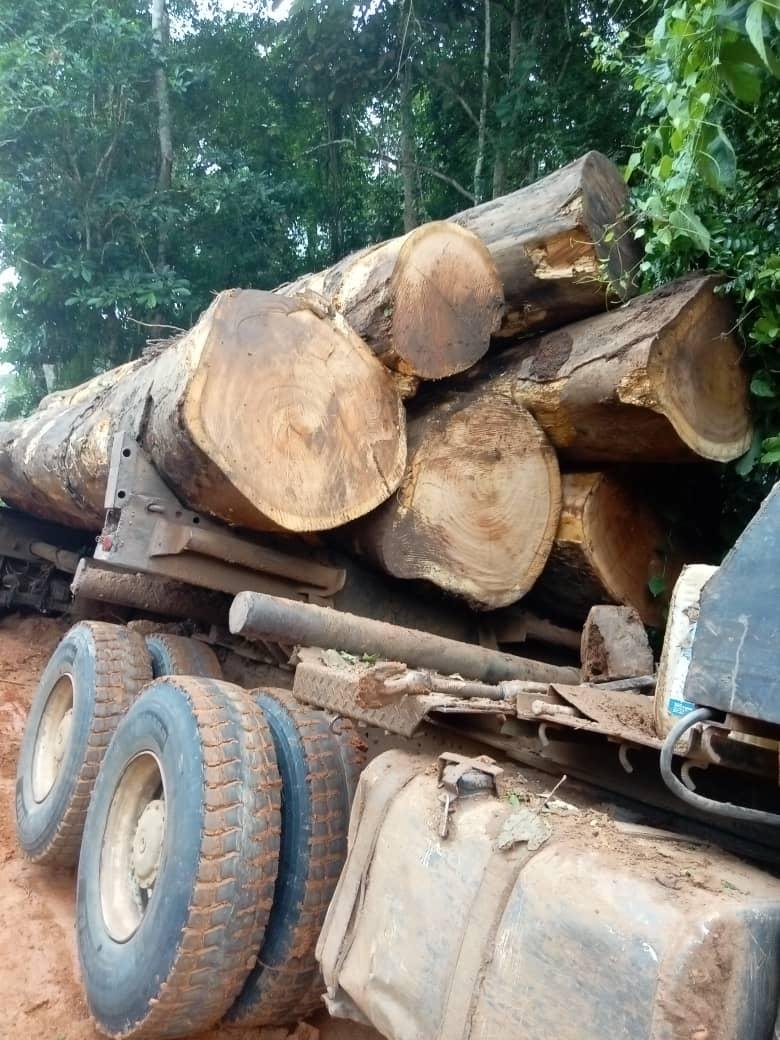
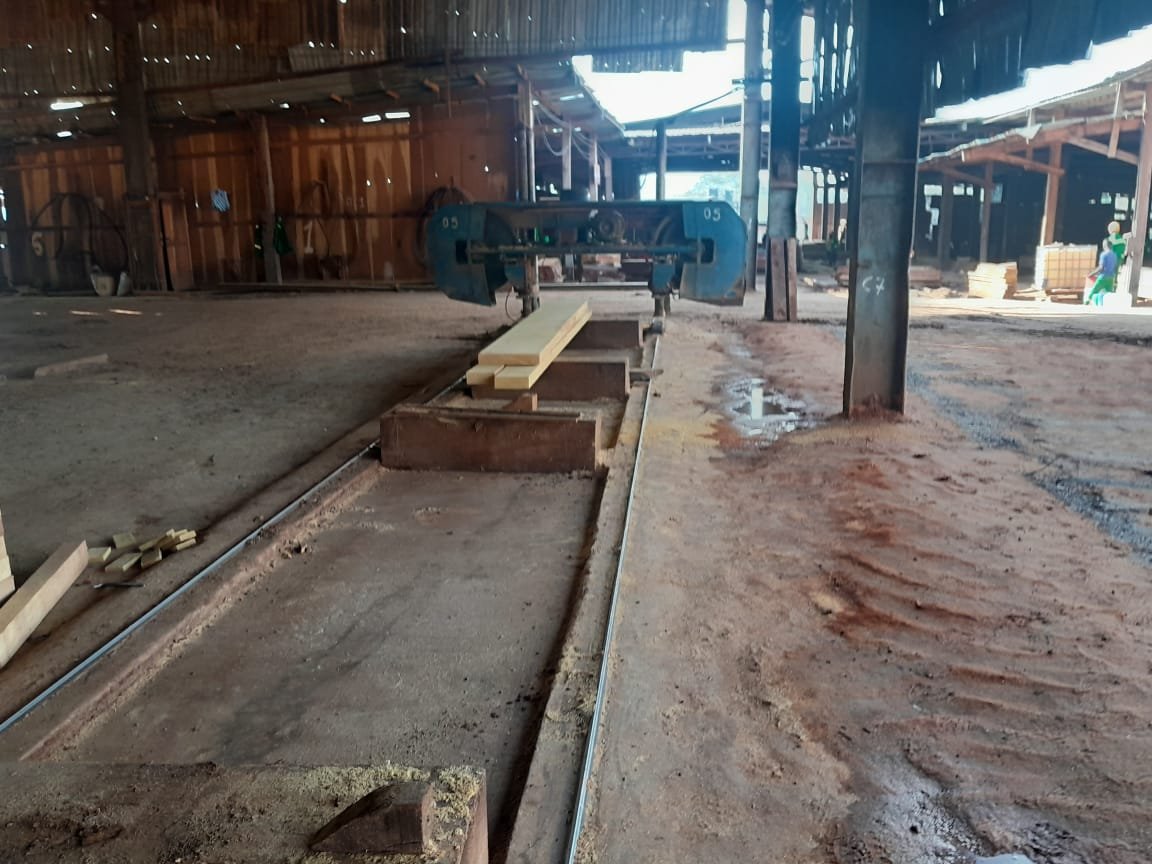
Wholesale African Ilomba Wood: Economical Peeling Wood for Plywood, Veneer and Mouldings
Looking to buy African Ilomba Wood direct from the source? Ilomba (Pycnanthus angolensis) is a light, economical hardwood that peels very well. It is widely used for plywood cores, veneer, mouldings and light joinery.
African Ilomba wood is one of the lowest-cost hardwoods from the Central African forest zone, which makes it ideal for volume production of panels and interior products.
We supply African Ilomba wood as sawn lumber, rotary and sliced veneer, plywood and, where export is legally permitted, peeler logs from legally managed, ethically harvested forest concessions in Cameroon, Gabon, Republic of Congo, Central African Republic and DR Congo. Every order is inspected, documented and shipped in containers to your port, warehouse or job site.

Technical Specifications of African Ilomba Wood
The figures below are typical values for African Ilomba wood and help engineers, architects and buyers check that the timber meets their project requirements. Independent species data is also available from the CIRAD Tropix tropical timber database.
| Property | African Ilomba Wood |
|---|---|
| Scientific Name | Pycnanthus angolensis |
| Botanical Family | Myristicaceae |
| Other Trade Names | Akomu, Walele, African Nutmeg, Lolako, Otie |
| Origin (Central Africa) | Cameroon, Gabon, Republic of Congo, Central African Republic and DR Congo |
| Density | 450–520 kg/m³ (28–32 lbs/ft³) at 12% MC |
| Janka Hardness | Soft (approx. 600 lbf class) |
| Natural Durability | Non-durable (EN 350 class 5); for interior use or treated |
| Stability | Medium movement |
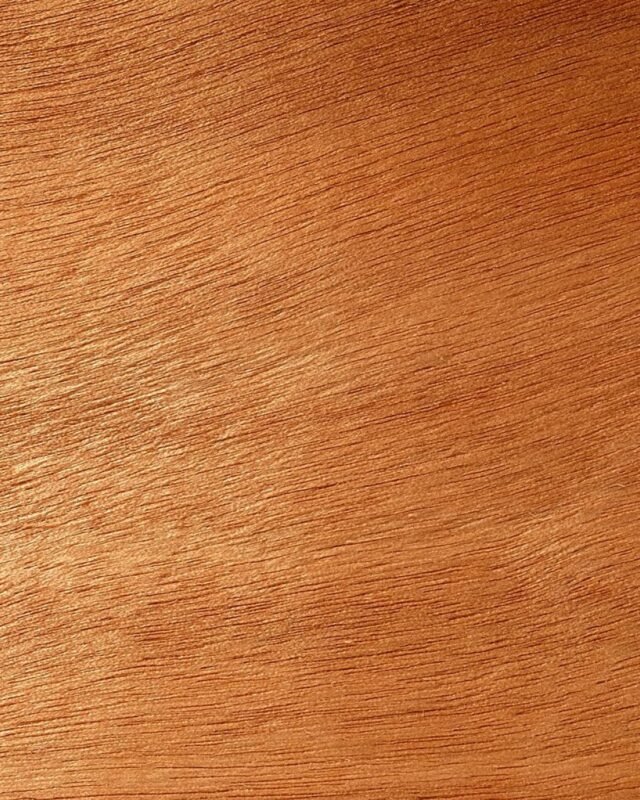
| Colour and Grain | Greyish-pink to pinkish-brown with a uniform texture |
| CITES / Legal Status | Not listed under CITES. Widely available from managed concessions. |
| Price Unit | Per cubic metre (m³) |
Why Buyers Choose African Ilomba Wood
Importers, manufacturers and contractors choose African Ilomba wood for a clear set of practical reasons:
- Excellent for Peeling: Ilomba peels into smooth veneer for plywood.
- Low Cost: It is one of the most economical African hardwoods.
- Easy to Work: It cuts, glues and paints easily.
- Volume Supply: It is available in good volumes for container orders.
Buy African Ilomba Wood for Plywood, Veneer and Mouldings
When you buy African Ilomba Wood from Global Timber Trade Hub, you can order stock graded and dimensioned for the following applications:
1. Plywood and Blockboard
Ilomba is a common core and face species for plywood.
2. Veneer
Rotary-cut veneer for panels and packaging.
3. Mouldings and Light Joinery
Painted mouldings, frames and interior trim.
4. Furniture Parts and Packaging
Hidden furniture parts, boxes and crates.
Available African Ilomba Wood Sizes, Grades and Product Forms
We hold standard Ilomba specifications and can cut to your project list. Typical product forms include:
| Product Form | Typical Sizes | Main Uses | Drying & Packing |
|---|---|---|---|
| Sawn Lumber | 27–75 mm thick, random widths and lengths | Joinery, mouldings, furniture parts | KD 10–12% or AD, strapped bundles |
| Rotary Veneer | 0.6–3.0 mm | Plywood faces and cores | Bundled sheets, palletised |
| Plywood and Blockboard | Standard 2,440 × 1,220 mm sheets, to order | Boats, furniture, doors, panels | Palletised, wrapped |
| Peeler Logs (where permitted) | Diameter 60 cm and above | Veneer and plywood mills | Loose in containers or break-bulk |
Custom thicknesses, widths, lengths and cut-to-size orders are available on request. Log exports are supplied only from countries and concessions where national law allows them.
Drying, Grading and Quality Control
Lumber is kiln dried to 10–12% moisture content or air dried to order. Veneer and plywood are produced to the mill’s grade standard (for example BS 1088 or EN 636 for plywood). Before loading, each parcel of Ilomba is checked for moisture content, dimensions, heartwood, grain and defects, and you receive loading photos and a packing list with the volume of every bundle.
Working With African Ilomba Wood: Practical Tips
- Treat Promptly: Fresh Ilomba is prone to blue stain. Treat or dry it soon after sawing.
- Sharp Tools: Use sharp tools to avoid a woolly surface.
- Gluing: It glues very well.
- Interior Use: Ilomba is non-durable and is used indoors or treated.
Ethically Harvested African Ilomba Wood From the Central African Forest Zone
All of our Ilomba comes from the Congo Basin forest zone, the second-largest tropical forest on earth. We buy only from operators that hold valid forest management or harvesting permits and follow national minimum felling diameters, so mature trees are selected and younger trees are left to grow.

Legal status: Not listed under CITES. Widely available from managed concessions. You can check any species on the official CITES Checklist.
Each shipment can include a certificate of origin, phytosanitary certificate, legality and chain-of-custody documents, fumigation certificate where required, and a CITES export permit for listed species. This supports your due diligence under the EU Timber and Deforestation Regulations (EUTR/EUDR), the UK Timber Regulation and the US Lacey Act. FSC or PEFC certified volumes can be quoted on request, subject to availability.
How to Buy African Ilomba Wood in Bulk
- Send your enquiry: Tell us the product form, sizes, grade, volume and destination port for your Ilomba order.
- Receive a quotation: We confirm price, availability, lead time and Incoterms (FOB Douala, Kribi, Owendo or Pointe-Noire, or CFR/CIF to your port).
- Approve specifications: We share stock photos, moisture readings and, for larger orders, samples.
- Production and loading: Timber is cut, dried, inspected and loaded, with photos and container numbers sent to you.
- Shipping and documents: You receive the bill of lading and all export documents for customs clearance.
About the price: the price shown on this page is an indicative starting price per cubic metre (m³) for standard sawn Ilomba. Final pricing depends on grade, dimensions, drying, volume and destination. Typical container loads are 18–25 m³ of sawn timber per 20 ft container and 40–50 m³ per 40 ft container, and smaller trial orders are welcome.
Compare African Ilomba Wood With Other African Hardwoods
Not sure if Ilomba is the right species? Compare it with these related timbers from our catalogue:
Browse more species in Plywood & Lightweight Timber, or view the full African timber catalogue.
Frequently Asked Questions About African Ilomba Wood
What is Ilomba used for?
Ilomba is used for plywood, veneer, mouldings, light joinery and packaging.
Is Ilomba a hardwood?
Yes. Ilomba is a light hardwood from the nutmeg family.
Can Ilomba be used outdoors?
No. Ilomba is non-durable and should be used indoors or treated.
What is the minimum order for Ilomba?
Most buyers order one 20 ft or 40 ft container. We also accept mixed-species containers and smaller trial orders for Ilomba, so you can test the quality before scaling up.
Which documents come with Ilomba shipments?
Every shipment includes a commercial invoice, packing list, bill of lading, certificate of origin and phytosanitary certificate, plus legality documents and a CITES permit where the species requires it.
Get African Ilomba Wood for Your Next Project
Ready to buy African Ilomba Wood? Send us your sizes, grade and volume, and our timber team will reply with a clear quotation, available stock photos and shipping options.
Request a quote or contact our sales team today to place your order.



Reviews
There are no reviews yet.