Cameroon is one of Africa’s most important timber producers and one of the easiest places to start buying African hardwood. Its forests supply ayous, sapele, iroko, azobe, tali, okan, moabi and dozens of other species, and its ports at Douala and Kribi connect them to Europe, Asia, the Middle East and the Americas. But not all Cameroon timber exporters work to the same standards, and the country’s rules on logs and legality have changed a lot in recent years.
In this guide we explain what Cameroon exports, how its ports and rules work, which documents you should expect and how to choose a reliable supplier. We source timber in Cameroon and neighbouring countries at Global Timber Trade Hub.
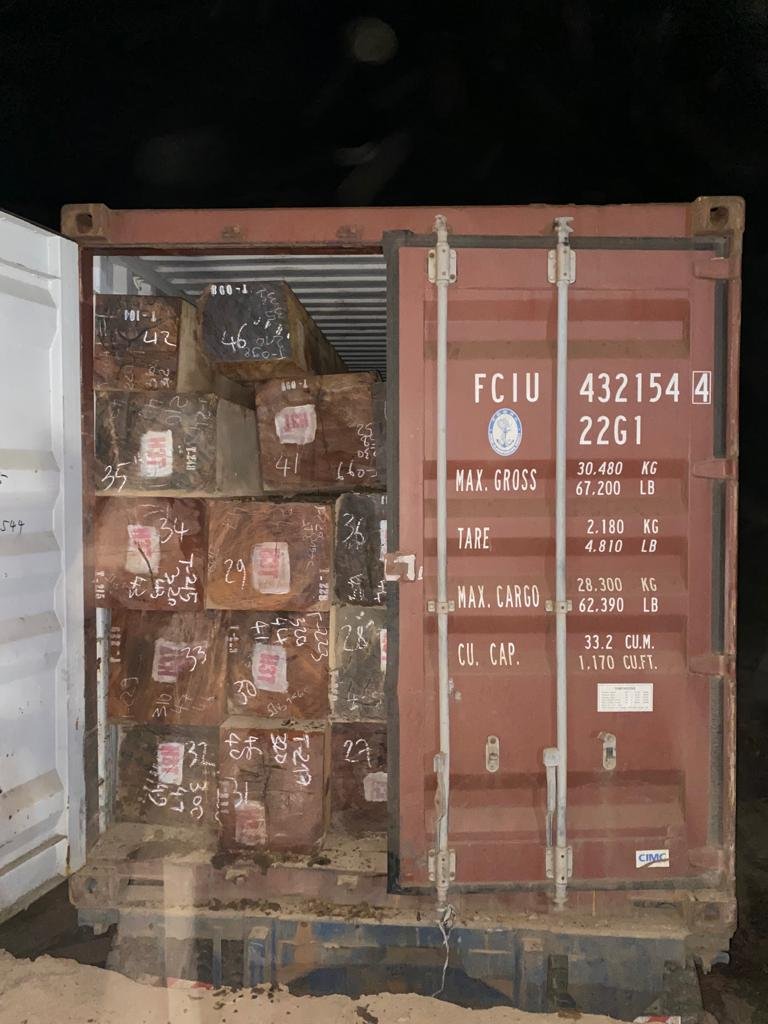
In short
- Cameroon exports a wide range of species, with ayous, sapele and iroko among the best known.
- Timber leaves mainly through Douala and the deep-sea port of Kribi.
- Many species can no longer be exported as logs, so most trade is in sawn timber.
- Legality documents, phytosanitary certificates and CITES permits for listed species are essential.
- Choose exporters who share photos, moisture readings and documents before loading.
- Start with a trial container, then build a regular supply.
Cameroon’s forests and timber industry
Cameroon’s southern and eastern regions are covered by dense tropical forest, part of the wider Congo Basin. Timber is harvested in forest management units under long-term plans, then processed in sawmills, drying facilities and veneer plants. The industry is a major employer and one of the country’s important export earners. Over the past decades, the government has pushed for more local processing and better legality controls.
Main species exported from Cameroon
| Species | Main uses | From (USD/m³, FOB) |
|---|---|---|
| Ayous | Saunas, mouldings, components | $420 |
| Frake | Furniture, plywood, guitars | $480 |
| Azobe | Marine works, sleepers | $650 |
| Tali | Decking, sleepers | $650 |
| Okan | Bridges, heavy decking | $650 |
| Sapele | Furniture, doors, floors | $850 |
| Iroko | Exterior joinery, decking | $950 |
| Moabi | Luxury floors, furniture | $1,100 |
Cameroon also supplies wenge, padouk, bubinga, doussie, sipo, kossipo, movingui, bilinga and African ebony, among others. See our full catalogue.
Ports: Douala and Kribi
Douala is Cameroon’s historic main port and handles a large share of timber exports, with regular container services. Kribi, a newer deep-water port further south, can receive larger vessels and is increasingly used for timber. Some timber from neighbouring landlocked countries also transits through Cameroonian ports. Your exporter should tell you which port your timber will leave from and why.
Log export rules in Cameroon
Cameroon has restricted log exports for many years. It bans a long list of species in log form and has raised export taxes on logs sharply. The wider Central African region also plans to end log exports in January 2028. In practice, most buyers now purchase sawn timber, beams, veneer or plywood from Cameroon. See buy timber logs from Africa.
Legality and documents
A reliable Cameroon timber exporter provides:
- commercial invoice and packing list;
- bill of lading;
- certificate of origin;
- phytosanitary certificate;
- legality and chain-of-custody documents linking the timber to a legal harvest;
- CITES export permits for listed species such as padouk, doussie, afrormosia, bubinga and African mahogany.
For EU buyers, the exporter should also support EUDR due diligence. See EUDR timber compliance and CITES timber species.
How to choose a Cameroon timber exporter
- Ask for company registration and export licence details.
- Ask which forest units and sawmills supply the timber.
- Request written quotes with full specifications.
- Insist on photos and moisture readings before loading.
- Use secure payment terms.
- Start with a trial container.
Our full checklist is in how to choose an African timber exporter.
Seasons and lead times
Cameroon’s rainy seasons can slow logging and road transport from the forest to the ports. Plan orders ahead, especially for large or special sizes. Standard sawn stock can often be ready in a few weeks, while kiln-dried and special orders take 4–8 weeks before loading. Sea transit takes about 3–5 weeks to Europe and longer to Asia and the Americas.
Prices from Cameroon
Prices depend on species, grade, drying, sizes and volume. Light species such as ayous and frake are the most economical; exotics such as wenge and bubinga are at the top. Freight depends on the port and route. See African hardwood prices and timber shipping cost.
Processing capacity in Cameroon
Cameroon has a long-established sawmilling industry, with mills ranging from large integrated operations with kilns and moulding lines to smaller sawmills that sell rough-sawn timber. Kiln-drying capacity has grown, but it is still limited for some species and sizes, which is why kiln-dried orders take longer than air-dried ones. A good exporter knows which mills can deliver your specification, and matches each order to the right mill rather than taking whatever stock is available.
Forest management and legality in Cameroon
Commercial timber in Cameroon comes mainly from forest management units granted to companies under long-term concessions, with management plans that set harvest areas and minimum felling diameters. Some timber also comes from smaller permits and community forests, where legality checks need extra care. Cameroon has worked with the EU on a voluntary partnership to strengthen legality controls. For buyers, the practical message is simple: ask exactly where your timber comes from and insist on documents that trace it back to a legal harvest.
Trade routes and markets
Timber from Cameroon flows to Europe, Asia, the Middle East and North America. Europe traditionally buys more kiln-dried joinery species and heavy construction timbers, while Asian markets have historically bought more logs and rough-sawn timber. As log exports shrink, more value-added products such as dried boards, mouldings and decking are leaving Cameroon. For European buyers, Douala and Kribi offer regular connections, often with transshipment in Europe or the Mediterranean.
Working with a Cameroon exporter: what to expect
After your enquiry, a reliable exporter sends a written quote with species, grade, sizes, moisture content, volume, Incoterm and lead time. Once you accept and pay the deposit or open a letter of credit, production starts. Before loading, you receive photos, moisture readings and the packing list. After loading, you receive copies of the bill of lading and other documents, followed by originals. Throughout, you should have a named contact who replies quickly. This is exactly how we work, and it is what you should expect from any serious Cameroon timber exporter.
Typical orders from Cameroon
Some typical orders we quote from Cameroon: a 40ft container of kiln-dried ayous for a sauna or moulding producer; a mixed container of sapele, iroko and frake for a timber merchant; a 40ft container of tali or okan decking and joists for a landscape contractor; azobe beams and sleepers for a marine or railway contractor; and selected wenge, padouk or moabi for flooring and furniture makers. For CITES species, the export permit is prepared alongside production so the timber and documents are ready together.
Payment and contracts
Most buyers pay a deposit by bank transfer to start production and the balance against copy shipping documents, or use an irrevocable letter of credit. Agree the specification, tolerances, inspection method and what happens if timber does not match the order in the contract or pro-forma invoice. Clear terms protect both sides and make the relationship easier to grow. See our guide to letters of credit for timber.
Quality control we apply in Cameroon
Before loading, our team checks dimensions against your list, measures moisture on a sample of boards, inspects grade, sapwood and defects, and photographs each bundle in daylight. We record volume and piece counts on the packing list and check that documents match the load. For larger orders, you can appoint an independent inspection company to work alongside us. See timber inspection before shipment.
Communication and language
French and English are both official languages in Cameroon, and most of the timber trade works in French. A good exporter communicates clearly in your language, sends documents in a form your customs broker understands and explains any local terms on invoices and permits. Clear communication prevents many of the misunderstandings that cause disputes in international timber trade.
Mixed containers from Cameroon
Because Cameroon produces so many species, mixed containers are easy to arrange. A heavy species such as azobe can be combined with a light one such as ayous to use both the weight limit and the space in the container. Merchants often stock four or five species from a single Cameroon shipment, with each bundle labelled and listed separately on the packing list.
Our honest advice
Cameroon is a great place to start buying African hardwood, with a wide range of species and good port connections. Focus on legality, written specifications and pre-loading checks, start with a trial container and build from there. The right exporter will make the process feel routine within a few shipments.
Common mistakes
- Buying logs of restricted species: they cannot be legally exported.
- Accepting vague origin information: ask for the forest unit and mill.
- Ignoring the rainy season: plan for slower supply.
- Skipping inspection: always see photos and moisture readings first.
Sources
- Port of Kribi on Wikipedia
- Wood Central: CEMAC log export ban
- International Tropical Timber Organization
Related guides
- How to choose an African timber exporter
- Gabon timber
- Congo timber suppliers
- How to import timber from Africa
- Our export process
Frequently asked questions about Cameroon timber exporters
What timber does Cameroon export?
A wide range, including ayous, sapele, iroko, azobe, tali, okan, moabi, wenge, padouk and many more.
Can I buy logs from Cameroon?
Many species are banned in log form and log exports are heavily taxed. Most trade is in sawn timber.
Which ports ship timber from Cameroon?
Mainly Douala and the deep-sea port of Kribi.
How do I verify a Cameroon exporter?
Check registration, timber source, document list, references and willingness to share photos before loading.
Get a quote from Cameroon
Send your species, specifications and volume through our quote form. We will reply with a written quote, document list and stock photos.