Wondering how to import timber from Africa without getting burned on your first container? It is a fair worry. Buyers tell us about wet timber sold as kiln dried, missing documents that held a container at port for weeks, and suppliers who disappeared after the deposit. None of this is inevitable. Importing African hardwood is a routine trade when you follow a clear process and know what to ask for.
This guide walks you through the 10 steps we follow with every customer at Global Timber Trade Hub, from the first enquiry to the timber arriving at your warehouse.
In short
- Define species, grade, sizes, moisture content and volume first.
- Agree the Incoterm: FOB or CIF are the most common.
- Use secure payment: deposit and balance against documents, or a letter of credit.
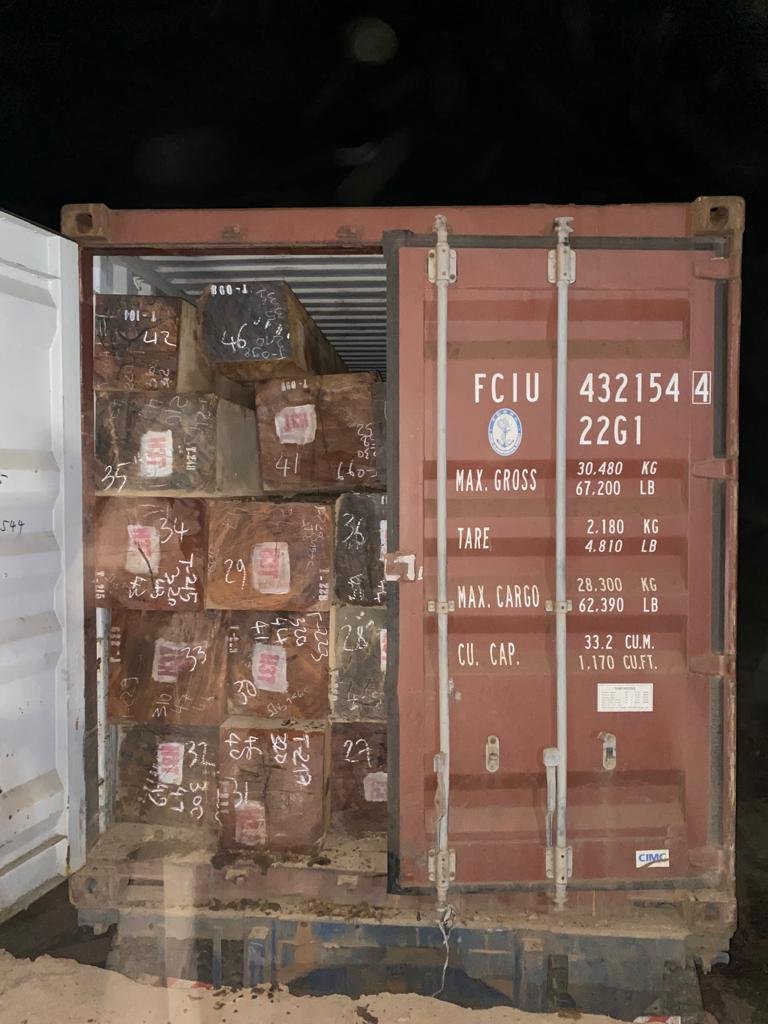
- Insist on loading photos, moisture readings and a packing list.
- Check every document: origin, phytosanitary, legality and CITES when needed.
- Plan 6–12 weeks from order to arrival, depending on stock and destination.
Why import timber directly from Africa?
Buying direct from a Central African exporter cuts out one or two layers of traders. That usually means a better price per cubic metre, more choice of species and sizes, and the ability to order exactly what your production needs. It also gives you a clear line of sight to the origin of the wood, which matters more every year under rules like the EU Deforestation Regulation and the US Lacey Act.
Step 1: Define exactly what you need
The best quotes come from precise requests. Before contacting any supplier, write down:
- species, or the job the timber must do if you are unsure;
- product form: logs, rough-sawn boards, kiln-dried lumber, beams, decking, veneer or plywood;
- dimensions: thickness, width and length range;
- grade: for example FAS for furniture, or a structural grade for beams;
- moisture content: kiln dried 10–12% for joinery, air dried for heavy sections;
- volume: in cubic metres or number of containers;
- destination port.
Not sure which species fits? Our catalogue of 30 species lists the main uses of each one.
Step 2: Choose a reliable exporter
Look for an exporter who can show:
- real photos of their yard, sawmill and loaded containers;
- a clear list of the documents they provide;
- knowledge of CITES species and permits;
- written quotations with specifications, not just a price;
- references or a track record with buyers in your region.
Be careful with suppliers who refuse to share loading photos, push for full payment upfront by unusual methods, or quote prices far below the market.
Step 3: Get a written quotation
A proper quotation should state the species, grade, dimensions, moisture content, volume, price per m³, Incoterm, lead time and validity. Ours are valid for 14 days. If two quotes differ a lot, compare the specifications line by line before the price. Our guide to African hardwood prices explains what moves the cost.
Step 4: Agree the Incoterm
Incoterms define who pays for what, and where the risk passes from seller to buyer. The two most common for African timber are:
- FOB (Free On Board): we deliver the timber loaded on the ship at the export port. You book and pay the sea freight and insurance.
- CIF (Cost, Insurance and Freight): we arrange freight and insurance to your port. You handle import clearance.
FOB gives you control over freight if you already work with a forwarder. CIF is simpler for first-time importers.
Step 5: Agree payment terms
Common, secure options are:
- Deposit and balance against documents: a deposit by bank transfer starts production; the balance is paid when you receive copies of the shipping documents.
- Letter of credit (L/C): your bank guarantees payment once the exporter presents compliant documents.
Both protect you and the exporter. Avoid paying 100% upfront to a supplier you do not know.
Step 6: Production, cutting and drying
Once the deposit or L/C is in place, logs are selected and sawn to your list. Joinery grades are kiln dried. Heavy beams and sleepers are usually air dried or shipped fresh sawn. Stock sizes can be ready in 2–4 weeks; custom or kiln-dried orders take 4–8 weeks.
Step 7: Inspection before loading
This is where most problems are prevented. Ask for:
- moisture readings on a sample of boards;
- photos of bundles, ends and faces;
- a packing list with the volume of every bundle;
- confirmation of grade and dimensions.
For large orders, you can appoint an independent inspection company to check the timber before loading.
Step 8: Export documents
A complete shipment of African timber usually comes with:
| Document | Why you need it |
|---|---|
| Commercial invoice | Customs value |
| Packing list | Volume and bundle details |
| Bill of lading | Title to the goods and release at port |
| Certificate of origin | Country of harvest, duty rates |
| Phytosanitary certificate | Plant health clearance |
| Legality and chain-of-custody documents | EUDR, UK Timber Regulation and Lacey Act due diligence |
| CITES export permit | Required for listed species |
| Fumigation certificate | Where the destination requires it |
Step 9: Shipping
Timber leaves from ports such as Douala and Kribi in Cameroon, Owendo in Gabon or Pointe-Noire in the Republic of Congo. Typical sea transit is about 3–5 weeks to Europe, 4–6 weeks to the Middle East and Asia, and 5–7 weeks to the Americas. You receive container and seal numbers so you can track the vessel.
Step 10: Import clearance and delivery
Your customs broker uses the documents to clear the shipment, pay duties and taxes, and arrange delivery from the port. In the EU, you must also complete your EUDR due diligence statement. In the US, you file a Lacey Act declaration. Good documents from the exporter make these steps straightforward.
Special rules you should know
CITES species
Some African species are listed in CITES Appendix II, including African mahogany (Khaya), Padouk, Doussie (Afzelia), Afrormosia and Bubinga. These need a CITES export permit. See our guide to CITES timber species.
Log export restrictions
Several Central African countries restrict or ban the export of raw logs to support local processing. Gabon, for example, does not allow log exports. That is why many species are supplied sawn or as veneer. We only ship logs where national law allows it.
EUDR and the Lacey Act
The EU Deforestation Regulation and the US Lacey Act require importers to show their timber is legal. Ask your exporter for full traceability documents before shipment, not after. Read more on our sustainability page.
How long does importing timber from Africa take?
A realistic timeline for a first order is:
- quotation and specification: 2–5 days;
- payment set-up: 1–2 weeks, longer for a letter of credit;
- production and drying: 2–8 weeks;
- sea transit: 3–7 weeks;
- clearance and delivery: a few days to 2 weeks.
In total, plan about 6–12 weeks from order to warehouse. Repeat orders are faster.
Costs to include in your budget
- timber price per m³ (FOB or CIF);
- sea freight and insurance if buying FOB;
- import duties and VAT or sales tax;
- customs broker and port handling fees;
- inland transport to your site;
- optional third-party inspection.
Common first-time importer mistakes
- Vague specifications: “sapele boards” is not a specification. Give sizes, grade and moisture content.
- Skipping inspection: always ask for photos and moisture readings before loading.
- Ignoring CITES: a listed species without a permit will be stopped at import.
- Underestimating time: the rainy season can slow logging and transport.
- Not briefing your broker: send them the document list in advance.
Start with a trial container
If this is your first import, a 20 ft container or a mixed-species container is a sensible start. It lets you check quality, documents and logistics before committing to larger volumes.
Working with a freight forwarder
If you buy FOB, a freight forwarder books the ship, handles the bill of lading and often arranges customs clearance at your end. Choose one with experience of West and Central African ports. Send them our draft documents as soon as you receive them, so they can check everything before the vessel sails. A good forwarder also tells you about port congestion and transshipment delays before they become your problem.
Cargo insurance
Under FOB, risk passes to you once the timber is loaded on the vessel. Under CIF, we buy minimum cover for you, but you may want more. We recommend “all risks” marine cargo insurance for at least the invoice value plus 10%. It costs a small fraction of the shipment and protects you against damage, loss or a container lost at sea.
What a good packing list looks like
The packing list is the document you will use most when the container arrives. A clear one shows, for every bundle: the bundle number, species, grade, thickness, width, length, number of pieces and volume in m³. It also gives totals that match the invoice. When your team unloads, they can check each bundle against the list in minutes. If something is missing or wrong, you can report it quickly with clear evidence.
Sources
Related guides
- Our export process
- African hardwood prices per m³
- CITES timber species
- Shipping and delivery policy
- Timber buying FAQ
Frequently asked questions about importing timber from Africa
Do I need an import licence for timber?
It depends on your country. Most markets do not need a special licence for non-CITES timber, but you must meet legality rules such as EUDR or the Lacey Act. CITES species need permits.
What is the minimum order?
Usually one 20 ft container. We also arrange mixed-species containers and smaller trial orders.
Which Incoterm is best for a first order?
CIF is often easiest because the exporter arranges freight and insurance. FOB suits buyers who already have a forwarder.
How do I know the timber is legal?
Ask for legality and chain-of-custody documents, a certificate of origin and, for listed species, a CITES permit, before shipment.
Ready to import your first container?
Tell us what you need through our quote form. We will reply within one business day with price, lead time, stock photos and the full document list for your shipment.