If you have ever stood on an old yacht deck or walked across a classic parquet floor in a European public building, there is a fair chance you have touched afrormosia wood without knowing it. Often called African teak, afrormosia has been a quiet favourite of boat builders, joiners and flooring makers for decades. It has teak’s golden-brown warmth, excellent durability and impressive stability.
In this guide we explain what afrormosia is, where it performs best, how much it costs and what the CITES rules mean for your import. We supply afrormosia, also known as assamela, from Cameroon and the Congo Basin at Global Timber Trade Hub.
In short
- Afrormosia is a durable, stable, golden-brown hardwood often used as a teak alternative.
- It suits boat building, flooring, exterior joinery and fine furniture.
- It is denser and harder than teak, with less natural oil.
- It has been CITES Appendix II listed since 1992, so every export needs a permit.
- Our afrormosia starts from about $1,500 per m³, FOB Central Africa.
- Use stainless fixings: iron reacts with the wood and leaves dark stains.
What is afrormosia?
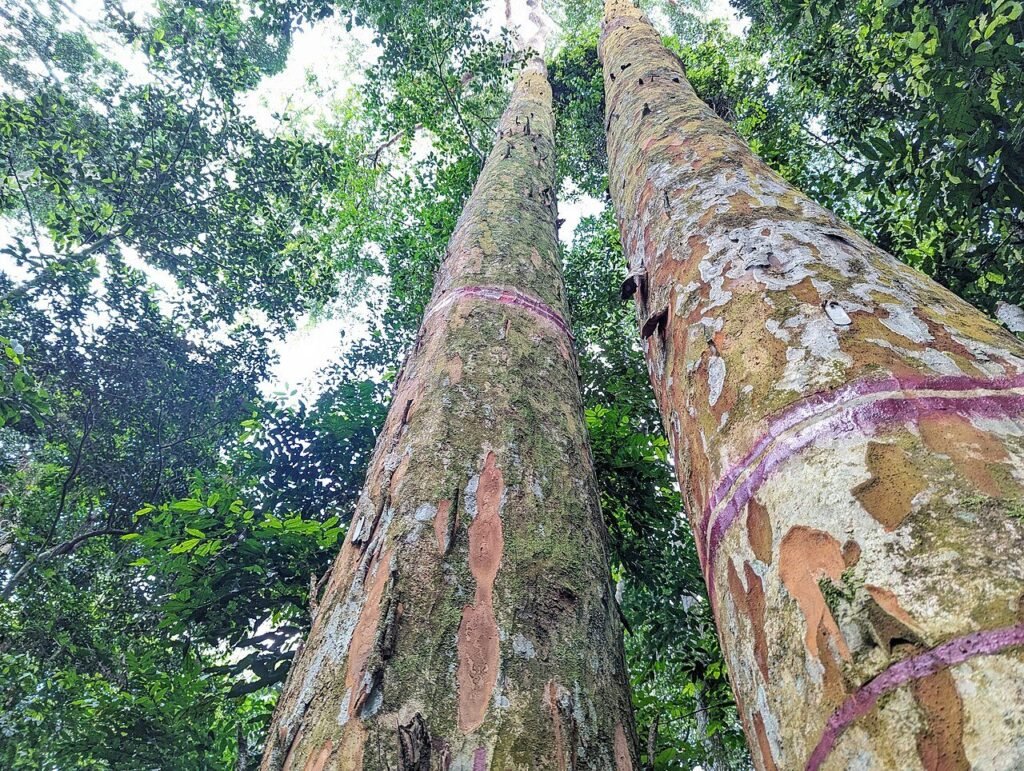
Afrormosia (Pericopsis elata) is a large tree of the Central and West African rainforest, found mainly in Cameroon, the Republic of Congo, the Democratic Republic of Congo and Ghana. In the trade it is known as afrormosia, assamela, kokrodua or African teak.
The heartwood is yellowish-brown when fresh and darkens to a rich golden brown, very close to teak. The grain is straight to slightly interlocked, with a fine, even texture.
Afrormosia wood properties
| Property | Afrormosia |
|---|---|
| Density at 12% MC | about 680–720 kg/m³ |
| Janka hardness | about 1,570 lbf |
| Natural durability | Very durable |
| Stability | Very good, low movement |
| Texture | Fine and even |
| CITES | Appendix II |
Values vary between sources and trees. Use them as a guide, not for structural design.
Why it is called African teak
Afrormosia earned the name because it looks and performs much like teak in many uses. It ages to a similar golden brown, resists decay outdoors and stays stable through wet and dry seasons. It is actually harder and denser than most teak, but has less natural oil. That means it glues and finishes more easily than teak, but needs a little more care outdoors to keep its colour. Our guide to afrormosia vs teak compares the two in depth.
Best uses for afrormosia wood
Boat building
Afrormosia has a long history in boat building, for frames, keels, deck beams, rubbing strakes, cockpit soles and interior joinery. Its strength, durability and stability make it a reliable structural and finishing timber. Read our guide to the best wood for boat building.
Flooring
Afrormosia parquet and strip floors were popular in public buildings across Europe for decades, and many are still in use. The wood is hard, stable and ages beautifully. It suits both solid and engineered floors.
Exterior joinery
Doors, windows, conservatories and sills in afrormosia last a long time with simple maintenance. Its stability keeps joints tight and paint or oil films intact.
Fine furniture
Indoors, afrormosia makes elegant tables, cabinets and chairs. Its even texture takes oil and lacquer well, and the colour deepens attractively over time.
Outdoor furniture and decking
Afrormosia works well for garden furniture and premium decks. It weathers to a silver grey if left unfinished, or keeps its golden brown if oiled regularly.
Laboratory benches and worktops
Its resistance to moisture and chemicals made afrormosia a traditional choice for laboratory benches. Today it is used for kitchen worktops and bar tops for the same reasons.
Working with afrormosia
- Machining: machines well with sharp tools. Interlocked grain may tear out slightly on quartersawn faces.
- Gluing: glues well, better than teak, because it is less oily.
- Finishing: takes oils, varnish and lacquer very well.
- Fixings: always use stainless steel or bronze. Iron reacts with the tannins and leaves blue-black stains, especially in damp conditions.
- Dust: can irritate some people; use extraction and a mask.
CITES: what it means for buying afrormosia
Afrormosia was one of the first African timbers listed in CITES Appendix II, back in 1992. Every export needs a CITES export permit from the country of origin, and some importing countries, including the EU, also require an import permit. The species is also listed as Endangered by the IUCN, so careful, legal sourcing is essential.
We arrange the CITES export permit for every afrormosia shipment and send you a copy before loading, so you can apply for any import permit in time. Our guide to CITES timber species explains the process.
Afrormosia wood price
Our afrormosia starts from about $1,500 per m³ for standard sawn grade, FOB Central Africa. Kiln-dried FAS stock, thick sections and boat-building grades cost more. CITES permits and limited quotas are part of the price. See our full African hardwood prices list.
Sizes and product forms
- sawn boards 27–100 mm thick, random widths and lengths;
- kiln-dried FAS stock for joinery and furniture;
- flooring strips, parquet blocks and lamellas;
- boat-building stock, selected for straight grain;
- beams and squares for frames and structure.
Alternatives to afrormosia
If CITES paperwork or price is a concern, these non-listed species can often do the same job:
- Iroko: durable, teak-like and more economical. See Iroko vs teak.
- Movingui: golden-yellow and good for flooring and joinery.
- Sipo: stable and popular for windows and doors.
How to order afrormosia
- Tell us the use: boat building, flooring, joinery or furniture.
- Give thicknesses, widths and length range.
- State grade and moisture content.
- Give volume and destination port.
- Tell us if your country needs a CITES import permit, so we can plan timing.
Our export process page shows each step from quote to delivery.
Planning lead times for a CITES species
Because afrormosia needs a CITES export permit, plan a little extra time. Permits can take one to four weeks, depending on the country and season. In the EU, you will also need an import permit, which can take several weeks. We start the paperwork as soon as your order is confirmed and keep you updated, so the timber and the documents are ready at the same time.
Maintenance outdoors
Outdoors, afrormosia can be left to weather or oiled to keep its colour. If oiled, clean and re-oil once or twice a year. On boats, varnished afrormosia trim needs the same care as any varnished wood: light sanding and a fresh coat when the film starts to wear. Indoors, a well-finished afrormosia floor or table needs very little care.
A brief history of afrormosia in the trade
Afrormosia became popular in Europe after the Second World War, when teak was scarce and expensive. Joiners and boat builders discovered that it matched teak in many respects, and it became a standard timber for floors, windows and boats. Heavy demand eventually led to concerns about the species, and its listing in CITES in 1992. Today, trade continues under strict control, with export quotas and permits.
Common mistakes with afrormosia
- Using steel fixings: always use stainless steel or bronze.
- Forgetting the import permit: in the EU, plan for it before shipment.
- Treating it like teak when gluing: afrormosia glues easily; heavy degreasing is rarely needed.
- Specifying it for hidden parts: use a cheaper species where the wood will not be seen.
Afrormosia for parquet and engineered floors
Afrormosia parquet has a reputation for lasting decades in schools, offices and public halls. Its fine texture and hardness resist wear, and its stability keeps blocks tight. For new projects, engineered flooring with an afrormosia top layer of 3–6 mm makes the most of each cubic metre and works well with underfloor heating. We supply both solid parquet stock and lamellas for engineered floor producers. Tell us the block or lamella size, the grade and the quantity in square metres, and we will calculate the volume.
Afrormosia in yacht interiors
Inside a boat, afrormosia brings warmth and durability to bulkheads, cabinetry, tables, handrails and cabin soles. Its stability matters in a space where humidity changes constantly. Builders often combine it with marine plywood panels in Okoume, faced with a matching veneer. Our guide to Okoume marine plywood explains that side of the build.
Quality checks we do before loading
Every afrormosia order is checked before it leaves the yard. We measure moisture on a sample of boards, check thickness and width against your list, and inspect faces for splits, sapwood and pin holes. We photograph each bundle and send you the packing list with volumes. For CITES species, we also check that species names, volumes and product descriptions on the permit match the invoice exactly, because a small mismatch can hold a container at customs.
Is afrormosia right for your project?
Choose afrormosia when you need teak-like looks and durability, good gluing and finishing, and you are comfortable with CITES paperwork. It is an excellent choice for boats, premium floors, natural-finish windows and heirloom furniture. If your project is large, budget-driven or on a tight timeline, a non-listed species such as Iroko may serve you better. We are happy to give an honest recommendation once we know the use, the finish and the schedule.
Sources
- Pericopsis elata on Wikipedia
- CITES Checklist
- CIRAD Tropix for technical data.
Related guides
- Afrormosia vs teak
- Best wood for boat building
- CITES timber species
- Iroko vs teak
- Furniture and joinery hardwoods
Frequently asked questions about afrormosia wood
Is afrormosia the same as teak?
No. It is a different species, Pericopsis elata, but it looks and performs similarly, which is why it is called African teak.
Is afrormosia durable outdoors?
Yes. It is rated very durable and is used for boats, decks, windows and garden furniture.
Do I need a CITES permit for afrormosia?
Yes. It has been CITES Appendix II listed since 1992. Exports need a permit, and some countries require an import permit too.
How much does afrormosia cost?
Our afrormosia starts from about $1,500 per m³, FOB Central Africa. Kiln-dried and selected grades cost more.
Get a quote for afrormosia
Send your use, sizes and volume through our quote form. We will reply with a firm price, stock photos, lead time and the CITES documents for your shipment.